How to start dancing as an adult in Japan
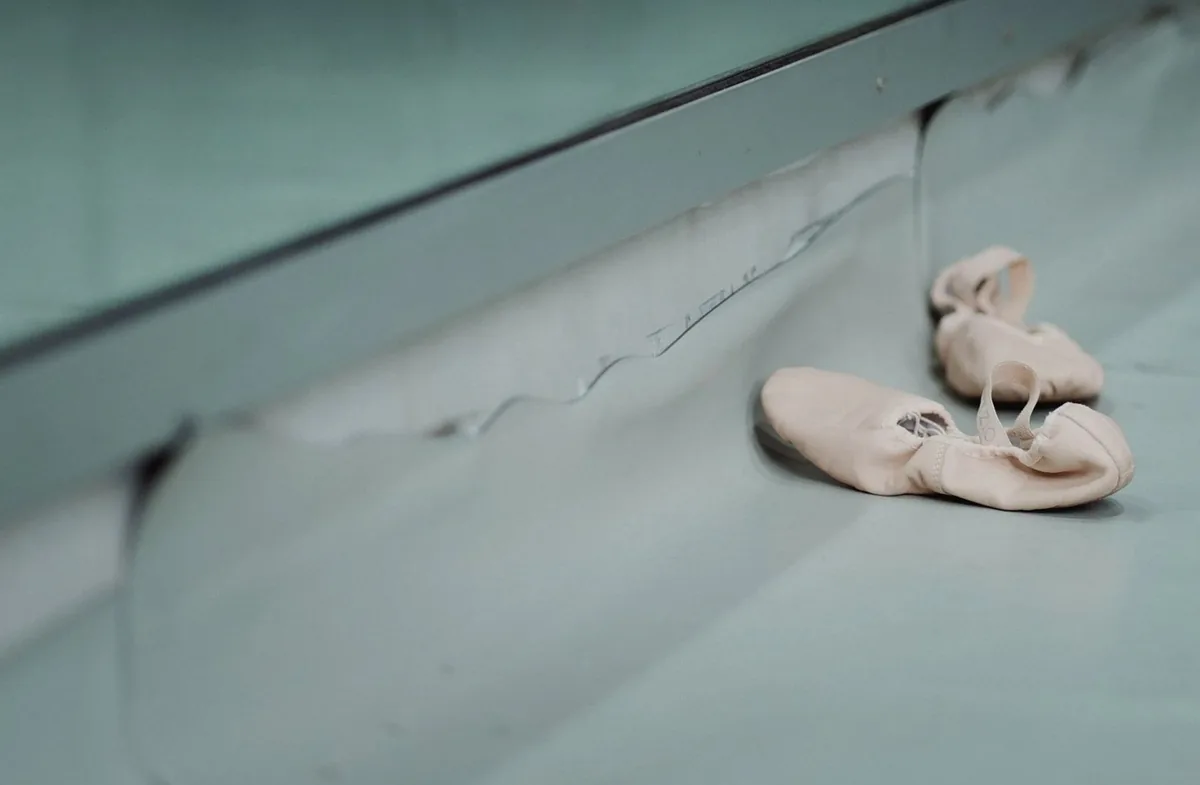
Most adults who want to start dancing spend about six months thinking about it before they do anything. The thinking usually involves some version of 'I'm too old' or 'I'll look ridiculous' or 'I should probably get fitter first.' None of these are real obstacles. They are just the brain doing what it does when something feels unfamiliar. Here is what the first few months of adult dance classes actually look like.
The age question
There is no useful upper age limit for starting social or studio dance. The body adapts more slowly at 40 than at 20, and that's worth knowing so you set realistic expectations. But 'slower' is not 'impossible.' Most adult beginners at Urban Sparrow see noticeable improvement in coordination and rhythm within six to eight weeks of weekly classes.
What changes with age is mostly recovery time and flexibility, not the ability to learn movement patterns. If you come in once a week and give yourself a day to recover after the first few sessions, you will be fine.
What to wear and bring
For hip-hop or jazz funk: clean indoor trainers with a flat or low sole. Running shoes with thick cushioning can actually work against you because they reduce floor feedback. A light pair of cross-trainers is ideal.
For contemporary: bare feet or thin socks. Bring a change of clothes if you're coming from work. The studio has a small changing area. There are no lockers, so leave anything valuable at home.
Water bottle. That's it. You don't need a dance bag, special leggings, or anything you don't already own.
How to pick the right class
The honest answer is: start with whatever fits your schedule, then adjust. Most people overthink the genre question. Hip-hop and contemporary share a lot of foundational movement vocabulary, and spending a few months in either one will make the other easier when you try it.
If you have a strong preference for a particular style, follow it. Motivation matters more than optimal sequencing. The worst outcome is picking the 'correct' class and finding it boring.
What the first session is actually like
You will not know what you're doing for most of it. That is normal and expected. A good beginner class is designed so that not knowing what you're doing is fine. You follow, you approximate, you try again. By the end of the session you will have learned something, even if you can't articulate what it is yet.
At Urban Sparrow, the first session is a trial class at ¥2,000. You don't need to book in advance, though an email to hello@urban-sparrow.com means Hiroshi can save you a spot.
The six months of thinking about it are the hardest part. The first class is usually easier than expected.